
Why Do Dogs Eat Grass? Should You Be Worried?
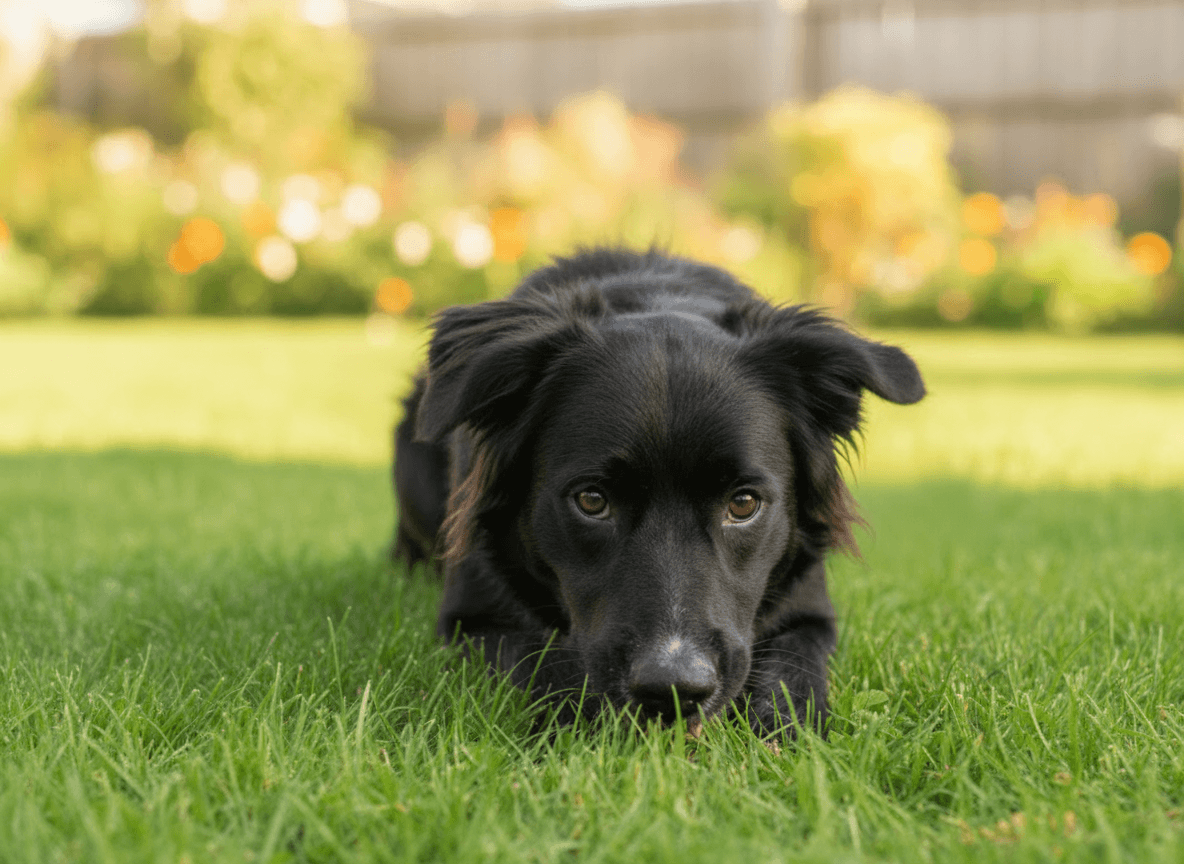
Photo of Our Jeff – background digitally enhanced using AI
You’re out on a walk. The sun’s shining. Your dog is happily sniffing… and suddenly they stop to munch on a patch of grass.
Sound familiar?
One of the most common questions dog owners ask is: why do dogs eat grass? And more importantly — is it normal?
Let us do a little digging into it.
Is It Typical For Dogs To Chew Grass?
Yes — in most cases, grass eating is completely normal.
Most dogs nibble on grass occasionally, and mere grazing doesn’t always mean something’s amiss. And studies have found that dogs that are otherwise healthy eat grass all the time.
If your dog nibbles grass once in a while but appears happy, energetic and symptom-free, it’s usually nothing to be concerned about.
Common Reasons Dogs Eat Grass
There is no one reason for this, but most are the general answer.
1.It’s Instinctive Behaviour
Dogs are omnivores. Their ancestors also fed on plant material in the wild, feeding on prey and scavenging. Eating grass is probably just a normal habit that has lingered.
2.Digestive Support
Some dogs might eat grass when they get mild stomach upset. Grass sometimes provokes vomiting — which can relieve irritation. But the vast majority of dogs who consume grass don’t vomit afterward. If your dog tends to eat grass regularly and vomit, that’s definitely something to monitor and talk to your vet about.
3.Boredom or Curiosity
Grass is everywhere — and for some dogs, it’s simply interesting. The world is their space through where they explore with their mouths. Under-stimulated or bored, they might bite just to be there. Mental enrichment and regular exercise could also contribute to reducing habitual grass eating.
4.Dietary Gaps (Occasionally)
Although rare in perfectly balanced dogs, there is some evidence for dogs being able to seek plant material when there is no fibre. The right nutritional and quality ingredients in a dog’s diet will help promote digestive balance.
When Should You Be Concerned?
If you are concerned about the grass eating or eating anything on your walks, I would speak to your vets for support and advice. Especially speak to your vet if you have a dog that:
Eats grass obsessively
Vomits frequently
Has ongoing diarrhoea
Appears lethargic
Shows signs of abdominal pain
Also be wary of grass applied pesticides, fertilisers or chemicals — these may be dangerous if consumed.
Could Diet Play a Role?
At times, digestive inconsistency, junk foods or artificial additives may cause a dog’s stomach to ruminate. Opting for natural treats created from simple ingredients might help food digestion and relieve some unneeded excess dietary stress. Look for:
Clearly listed ingredients
High-quality protein
No artificial preservatives
No added sugars
If digestion is balanced, such unusual behaviours typically decrease.
Don’t Forget Enrichment
If boredom is contributing, try adding:
Snuffle mats
Training sessions
Long-lasting natural chews
Puzzle feeders
Scent games
Mental stimulation can be as crucial as physical exercise. A dog happy in mind will not graze out of boredom.
Final Thoughts
So, why do dogs eat grass?
It’s usually normal.
Often instinctive.
Sometimes linked to mild digestive upset.
Occasionally boredom-related.
If your dog is healthy and happy otherwise, more than likely you don’t need to panic. Just be cautious of frequency and general behaviour, and watch it.
Support Happy Tummies with Canine Crunchies
At Canine Crunchies, we believe simple, natural ingredients help support healthy digestion and overall wellbeing.
Explore our natural air-dried dog treats
Made with wholesome ingredients and zero nasties
Perfect for enrichment, training, and everyday rewards
Because happy dogs crunch smarter — and graze less. 🐕💛
References:
The Kennel Club – Why does my dog eat grass?
Blue Cross – Why does my dog eat grass?
Dogs Trust – Why your dog eats grass and what to do about it