
Training doesn’t need to be stressful, tough or overwhelming — for you or your dog. Indeed, perhaps one of the best methods for teaching good behaviour also has the nicest of qualities. Positive reinforcement training is focused on rewarding the behaviour you wish to see, rather than punishing mistakes.
It is proven that using tasty treats, praise and playing as motivation increases the speed at which dogs learn as well as their confidence and happiness during the process. Even better? This reward-based approach is good for your dog’s emotional health and fortifying the bond you share.
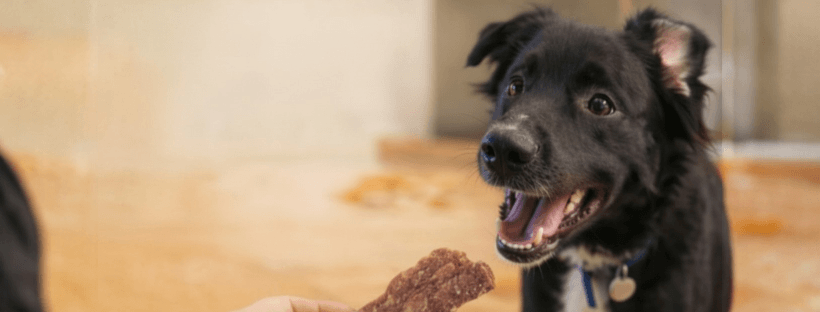
Photo of Our Jeff – background digitally enhanced using AI
What Is Positive Reinforcement Training?
Positive reinforcement training is all about giving rewards for desirable behaviour the instant it occurs. When your dog gets something right — sitting on cue, walking nicely on the lead, returning when called — they get an activity they like.
That reward might be:
A natural training treat.
Verbal praise or affection.
A favourite toy or quick game.
The timing is key. When the reward follows the behaviour, your dog learns swiftly to associate that action with a positive outcome — increasing their likelihood of performing the behaviour again. Positive reinforcement does not depend on fear or correction like punishment-based training does. Instead, it builds trust, confidence, and a willingness to learn, which is why it’s such a popular choice among trainers and dog parents alike.
The Benefits of Positive Reinforcement Training
Reward-based training offers so much more than simple compliance. The reason it works so well is, in part:
Builds Confidence. Dogs thrive on encouragement. Good behaviour elicits a positive response, which reduces anxiety and increases confidence, especially in fearful or sensitive dogs.
Strengthens Your Bond. When training is fun and rewarding, your dog starts to link with you and positive experiences. And this builds trust and your relationship is reinforced.
Encourages a Love of Learning. Dogs receiving positive reinforcement are more enthusiastic and engaged, which leads to more excitement. Learning leads to good things which they are eager to learn.
Provides Mental Stimulation. Training sessions keep the dog’s brain occupied, and therefore prevent boredom and the negative behaviours of frustration and energy overload.
Top Tips for Successful Positive Reinforcement Training
Want the best results? Keep these tips in mind:
✔ Be Consistent. To do this whilst your dog is learning, reward the behaviour each time. Consistency allows them to be clear about what’s expected.
✔ Use High-Value Rewards. Not all rewards are equal. Pick something your dog truly loves — quality, natural training treats, for example — to keep motivation high.
✔ Perfect Your Timing. Incentives should be administered immediately subsequent to the behaviour. As your dog becomes consistent, gradually you can cut down on how frequently treats are delivered to them, but continue offering praise.
Final Thoughts
Positive reinforcement techniques help bring up happy, confident dogs that are happy to learn and enjoy making you proud. If you focus on patience, rewarding little victories and rewarding your dog with treats they love, your dog’s behaviour will improve over time — and you will get to enjoy the process.
Train Smarter with Canine Crunchies
Great training starts with great rewards.
Explore our range of natural, high-value dog training treats
Perfect for positive reinforcement, recall, and everyday rewards
Made with quality ingredients and no nasties
Because happy dogs crunch smarter. 🐕💛