
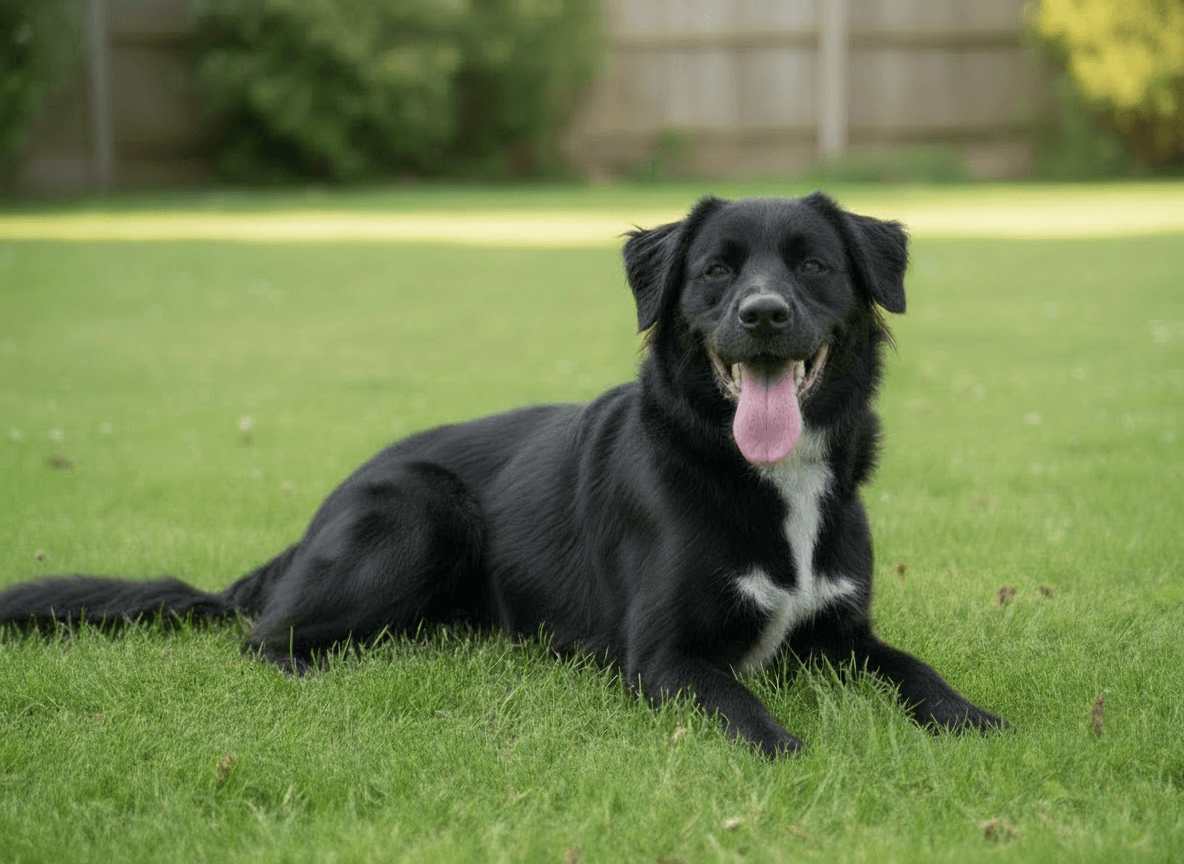
Photo of Our Jeff – background digitally enhanced using AI
Dogs may not speak our language — but they’re communicating with us all the time.
Your dog uses their body language to show you their current feelings through tail wags and ear positions and lip licking and their various posture adjustments.
Your ability to understand dog body language creates a stronger relationship with your dog while also reducing their stress and anxiety and their risk of developing behaviour issues.
We will analyse your dog’s communication to understand their true message.
Why Dog Body Language Matters
Dogs use body language as their main method to understand their surroundings. In fact, many signs of stress or discomfort are silent.
The early signals help you to:
Prevent conflicts with other dogs
Avoid stressful situations
Build trust
Improve training results
The method helps you to maintain your dog's safety through proper understanding.
A confident, relaxed dog shows different behavior than a worried dog because their signs of stress become less noticeable.
The Tail: It’s Not Just About Wagging
The common belief that dogs wag their tails when they feel happy is incorrect.
Here’s what to look for:
Loose, wide wag at mid-height – Relaxed and happy
High, stiff wag – Alert or overstimulated
Low or tucked tail – Fearful or anxious
Slow wag with stiff body – Uncertain or cautious
Context matters. The observer needs to see all body movements because tail movement alone does not provide complete information.
Eyes: The Windows to Your Dog’s Mood
Your dog’s eyes reveal their most important story.
Soft, relaxed eyes – The state of being peaceful and satisfied
Hard stare – your dog uses this gaze to indicate a threat or to confront someone
Whale eye (whites showing) – your dog experiences anxiety or physical unease
Avoiding eye contact - your dog shows their submissive state through their avoidance of direct eye contact.
If your dog suddenly looks away or shows the whites of their eyes, they may be feeling overwhelmed.
Ears: Subtle but Important
The breed of a dog determines its ear position yet there are certain universal indicators which show ear position.
Neutral position – Relaxed
Forward and alert – Interested or focused
Pinned back tightly - Dogs express their fear through tightly pinned back ears which show their anxiety.
Dogs change their ear position from one ear position to another during social situations.
Calming Signals: The Signs Many Owners Miss
Dogs use subtle behaviours to calm themselves or others. These behaviours are frequently misunderstood by people.
The basic calming signals which people use to communicate their distress include:
Lip licking
Yawning (when not tired)
Turning the head away
Sniffing the ground suddenly
Freezing in place
These behaviours can mean, “I’m uncomfortable” or “I need space.”
Recognising these early signals helps you step in before stress escalates.
Posture & Movement
A dog’s overall posture speaks volumes.
Loose, wiggly body – Happy and relaxed
Play bow (front down, back up) – Let’s play!
Stiff, frozen stance – Tension or warning
Crouched body – Fear or uncertainty
If your dog freezes, that’s often a key moment to intervene.
Signs of Stress in Dogs
Understanding stress signals can prevent behavioural issues and health problems.
Watch for:
Excessive panting (when not hot)
Pacing
Trembling
Excessive shedding
Avoidance
Growling
Growling isn’t “bad behaviour” — it’s communication. It’s your dog saying they’re uncomfortable.
Listening to those warnings builds trust.
How Treats & Training Support Communication
Your dog gains confidence through positive reinforcement training which enables you to understand his feelings.
When you reward desired behaviours with high-quality, natural treats:
Your dog associates learning with positive outcomes
Communication becomes clearer
Trust deepens
Stress decreases
Food rewards work best when they’re wholesome, simple, and portion-controlled.
During training sessions, dogs can relieve stress and gain enrichment from crunchy textures.
Building a Stronger Bond Through Understanding
The more you understand your dog’s body language, the stronger your relationship becomes.
You’ll:
Notice small mood changes
Adjust environments to suit them
Improve recall and obedience
Reduce anxiety
Create a calmer home
Your dog is always communicating. The question is — are we listening?
Final Thoughts
Understanding your dog’s body language is one of the most important skills you can develop as an owner.
It prevents problems, builds confidence, and strengthens the human-dog bond.
When we respect their signals, we show them they’re safe with us.
And a dog who feels safe? That’s a happy dog.
Strengthen the Bond with Canine Crunchies
At Canine Crunchies, we believe connection starts with trust — and trust starts with understanding.
Explore our natural air-dried dog treats
Perfect for positive reinforcement training
Made with simple ingredients and zero nasties
Because happy dogs crunch smarter. 🐕💛
References:
RSPCA – Dog behaviour and communication
Dogs Trust - How to Understand Your Dog’s Behaviour
Guide Dogs - Reading and understanding your dog's body language