
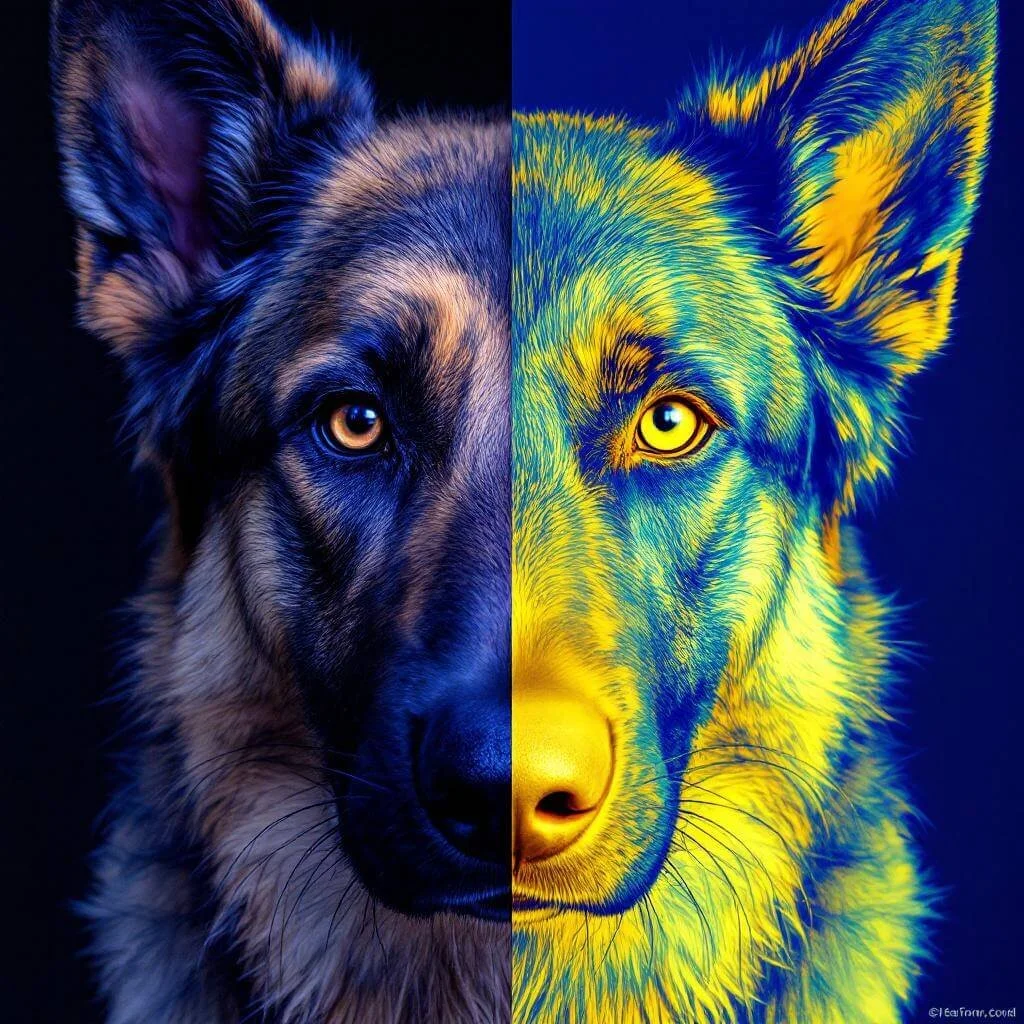
Dogs have been with us for millennia, but over time there have remained countless myths about how they think, behave and feel. Some are harmless misunderstandings while others can even play in the manner we take care of our four-legged friends.
Now is the time to tell fact from fiction. Dogs 101: What Dogs Actually Need to Lead Happy, Healthy Lives.
Myth 1: A Tired Dog Is Just an Over-Exercised Dog
Busted.
Exercise is cool — but is only a small part of the story. Dogs also require mental stimulation in order to feel fulfilled. Long walks alone won’t always cut it — especially for intelligent or high-energy dogs. Enrichment activities such as training games, sniffing, puzzle toys, and long-lasting natural chews are all methods that help burn mental energy and encourage calm behaviour.
Myth 2: Dogs Only Chew When They’re Naughty
Busted.
We do this behaviour ourselves, chewing is a totally natural behaviour. It reduces dogs' stress levels, supports dental health, and keeps them mentally engaged. When dogs bite on furniture or shoes, the typical indicator they don’t have outlets for them is that they can’t access healthy ones. Providing safe, natural chews gives them a constructive way to satisfy that need (and keeps your house whole.)
Myth 3: You Can’t Teach an Old Dog New Tricks
Busted.
Dogs can learn at any age. Older dogs can learn new cues, routines, tricks – and are capable of even mastering tasks with patience, consistency and encouragement – over time. It’s a great way to keep their brains smart and confidence high as they mature later in life, through training.
Myth 4: A Wagging Tail Always Means a Happy Dog
Busted.
Tail wagging only means emotional arousal — not always happiness. Dogs may wag when they’re excited, nervous, overstimulated, or uncertain. Seeing the Whole Body — the ears, posture, facial expression, the context — It’s much better to see how your dog is feeling.
Myth 5: Dogs Feel Guilty When They’ve Done Something Wrong
Busted.
That “guilty look” isn’t guilt at all — it’s an imitation of your tone, posture or expression of the face. Dogs live in the moment and don’t link past behavior with current reactions. This is why positive reinforcement is way more effective than punishment to shape behaviour.
Myth 6: Dogs Can’t See Colour
Busted.
Dogs aren’t colour-blind — they just see colour differently than us. Humans see a full rainbow, while dogs see blue and yellow mostly. This makes toys, training aids and enrichment items in these colours easier for dogs to see, especially outside.
Myth 7: Dogs Eat Grass Because They’re Sick
Busted.
Some dogs eat grass when they have an upset stomach, but more than a few do it just for fun. Grass eating can also be something a dog might do by instinct from time to time; it might be due to texture or even boredom. Random grazing is generally of no health concern, but more frequent grass consumed with vomiting or lethargy is safe to consult your vet.
Myth 8: Grain-Free Is Always Better
Busted.
Not every dog is healthier from grain-free. Though some dogs have sensitivities, most tolerate grains just fine. What matters the most are quality of ingredients, transparent sourcing and selecting treats that work perfectly for your dog.
Myth 9: Small Dogs Don’t Need as Much Enrichment
Busted.
Size does not dictate enrichment needs. Small dogs still require training, mental stimulation, opportunities for chewing and exercise — only, of course, scaled. After all, without enrichment, boredom and unwanted behaviours can seep in, no matter how small the dog.
Final Thoughts
Shifting outdated dog myths helps us make healthier choices for our dogs. When we can understand what dogs actually need — mentally, physically and emotionally — we can prepare them for happier, healthier lives.
Support Healthy, Happy Dogs with Canine Crunchies
Looking for simple ways to enrich your dog’s day the natural way?
Explore our range of natural dog treats and long-lasting chews
Perfect for mental stimulation, calm chewing, and positive training
Made with honest ingredients your dog will love
Because happy dogs crunch smarter. 🐕💛
References:
Common dog myths – Blue Cross